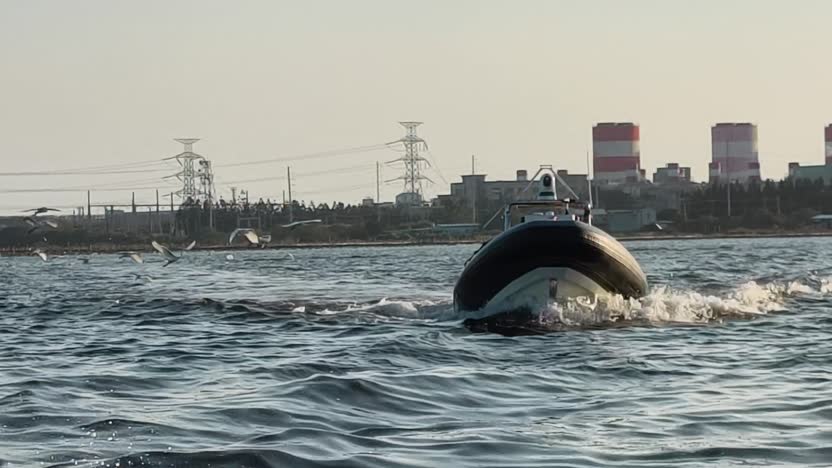
 Harbour sea trial · 2026
SWARM Ai · 思沃智創 · TAIWAN
Autonomy, perception and command software for unmanned surface vessels
The software is written in-house and integrated with the radar, engines and control systems already fitted to the vessel.
Six modules. Three on the vessel, three on shore.
Measured in harbour sea trials
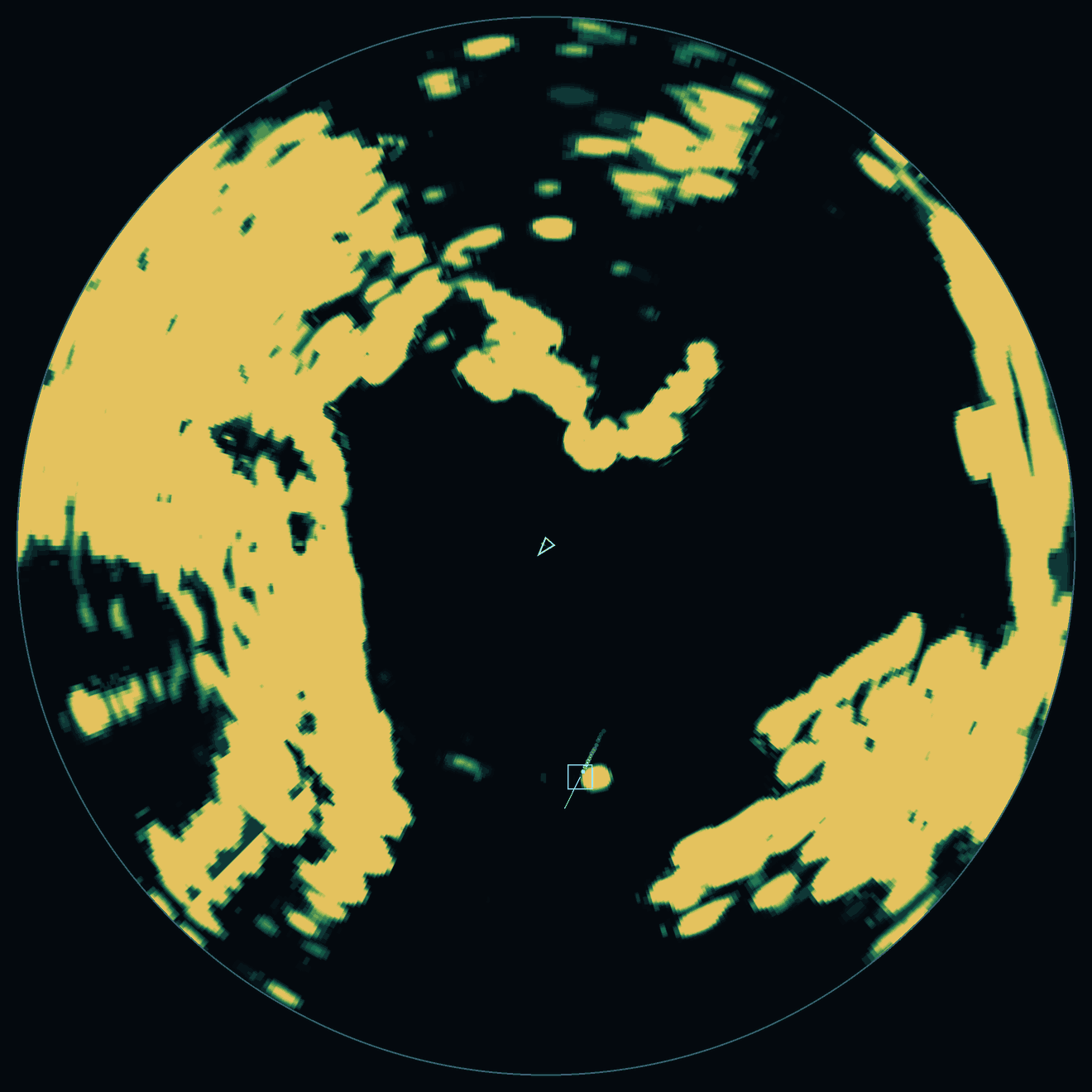 Decoded radar picture
~50 ms
Median time for the radar to confirm a setting change, across 805 logged commands
Radar integration · range, gain, guard zones
~1 s
Confirmation for a transmit command — slower than the rest, so we print it separately
Radar integration · transmit
~1 Hz
ARPA tracked-target update rate
Radar integration · ARPA targets
10 Hz
Own-ship navigation feed we supply to the radar from the vessel’s own sensors
Radar integration · NMEA 2000 compass and GPS
No hull top speed, range or endurance: we do not sell hulls. The 35-knot figure on the autonomy page is the speed at which the control loop holds the vessel, not a hull rating. No camera detection distances or accuracy percentages. Further figures are listed here, with their source, once verified.
Tell us what is already on your vessel.
We will tell you what we can integrate, what we have verified, and what we have not.